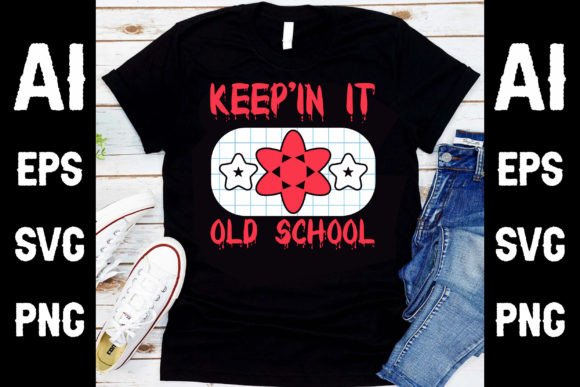
Keep in It Old School T-Shirt Design: A Practical Asset for Creative Professionals
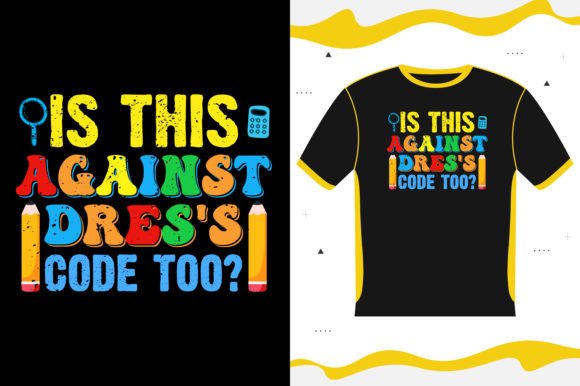
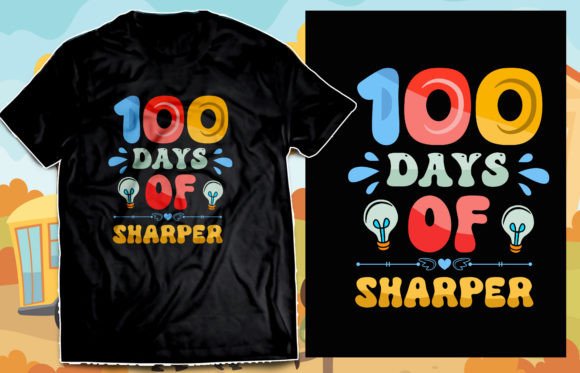
The Keep in It Old School T-Shirt Design is more than a nostalgic graphic—it’s a versatile, production-ready digital asset built for creators who need reliability without compromise. Designed as a back-to-school themed template, it bridges retro aesthetics with modern technical execution. Unlike trend-driven clip art that fades after a season, this design carries intentional visual weight: clean linework, balanced negative space, and typography that reads clearly at multiple scales. Its value lies not in novelty alone, but in how effectively it integrates into real-world workflows—from small-batch apparel printing to classroom-themed event materials.
What You’re Actually Getting—No Ambiguity
This isn’t a low-resolution JPEG buried in a cluttered marketplace listing. The package delivers five distinct file formats: AI (Adobe Illustrator), EPS, SVG, PNG, and a compressed ZIP archive containing all versions. Each format serves a concrete purpose:
- AI and EPS files preserve full vector scalability and layer integrity—essential for commercial screen printing or resizing across garment sizes without quality loss.
- SVG supports web-based customization tools, cutting machines (like Cricut or Silhouette), and dynamic color adjustments via CSS or vector editors.
- PNG offers a high-resolution (300 dpi), transparent-background raster option ideal for mockups, social media previews, or quick iron-on transfers where vector editing isn’t needed.
The “100 color changeable” claim holds up in practice: every element—including text outlines, icon strokes, and background shapes—is fully separated and editable in Illustrator or compatible software. That means swapping school colors, adapting for team branding, or aligning with institutional palettes takes minutes—not hours.
Real-World Usability Beyond T-Shirts
While labeled a “back-to-school” design, its utility extends meaningfully beyond seasonal apparel. Educators use the vector files to build custom classroom banners or student award certificates. Small business owners repurpose the layout for promotional tote bags or event signage. Freelance designers integrate elements into larger branding systems—e.g., extracting the chalkboard-style border for a workshop handout or adapting the font treatment for a conference badge.
Scrapbookers appreciate the clean lines and consistent stroke weights; engravers find the SVG path structure reliable for laser-cut wood or acrylic signage. Even educators preparing hybrid learning kits have reported using the PNG version for printable flashcards—its legibility remains intact when scaled down to 3×4 inches.
Quality and Consistency: What Holds Up Under Scrutiny
At 300 dpi, the raster output meets industry standards for direct-to-garment (DTG) and sublimation printing. More importantly, the vector files exhibit no stray anchor points, overlapping paths, or ungrouped layers—a common pain point in low-cost design marketplaces. Tested across Illustrator CC 2023 and Affinity Designer 2, all layers retain naming conventions and grouping logic, reducing prep time before sending to print.
Color fidelity is consistent across formats: RGB values in the PNG match swatches in the AI file, and the SVG preserves embedded color definitions rather than relying on system defaults. That predictability matters when coordinating physical prints with digital assets—no last-minute hue shifts between a website banner and a printed t-shirt.
Who Benefits Most—and Where It Fits Best
This design suits professionals who prioritize workflow efficiency over decorative excess. Consider these scenarios:
- Small apparel businesses launching a limited-run back-to-school collection: the editable vector files allow rapid iteration across hoodies, crewnecks, and kids’ tees without redesigning from scratch.
- School PTA coordinators producing fundraising merchandise: changing school initials or mascot colors in the AI file takes under five minutes—no designer dependency required.
- Educational content creators building themed lesson bundles: the SVG version imports cleanly into Canva or Google Slides, enabling consistent visual language across worksheets, slide decks, and parent newsletters.
- Freelance marketers developing campaign assets for education-focused clients: having a vetted, rights-cleared template accelerates turnaround without licensing ambiguity.
It’s less suited for users seeking ultra-custom illustration work or photorealistic graphics—the strength lies in its clarity, adaptability, and functional simplicity. If your goal is expressive storytelling through detailed imagery, this isn’t the tool. But if you need dependable, on-brand visuals that scale cleanly and edit predictably, it delivers without overhead.
Practical Considerations and Minor Limitations
No digital asset is universally frictionless. A few realistic observations:
- The design assumes basic familiarity with vector editing tools. Users completely new to Illustrator or Inkscape may need 15–20 minutes to locate and adjust color swatches—though the layered structure makes this intuitive once navigated.
- While “100 color changeable” is technically accurate, the design’s visual cohesion relies on thoughtful palette choices. Swapping black text to neon pink, for example, works functionally—but may undermine readability or retro tone depending on context.
- The PNG includes transparency but no alternate background options (e.g., white or chalk-textured variants). For some print-on-demand platforms requiring solid backgrounds, minor post-processing in Photoshop or GIMP is necessary.
None of these are dealbreakers—they’re simply workflow considerations, not flaws. The absence of bundled fonts (the typeface is outlined, not embedded) is actually a benefit: it eliminates licensing complications when redistributing or selling finished products.
Long-Term Value and Integration Potential
Digital design assets depreciate quickly when tied too tightly to fleeting trends. The Keep in It Old School T-Shirt Design avoids that trap by anchoring itself in enduring visual language: bold sans-serif lettering, subtle texture cues (like faint chalk grain in the SVG version), and compositional balance that reads well both up close and at a distance. That gives it shelf life beyond August.
Its true long-term value emerges in reuse. A single purchase supports multiple projects across years: updating colors for successive school years, converting the SVG for vinyl decals on lockers or laptops, or extracting individual icons for classroom reward systems. Because it’s delivered in open, widely supported formats—not proprietary or app-locked files—it remains usable regardless of software updates or platform changes.
For professionals managing tight deadlines, variable budgets, or multi-channel output needs, this isn’t just another template. It’s a documented, tested, and consistently functional component—one that earns its place in a working toolkit precisely because it does what it promises, without surprises.