Home School SVG Design: Creative Digital Assets for Your Homeschool Journey
Whether you're a seasoned homeschool parent, a new educator navigating curriculum choices, or a creative entrepreneur building a learning-focused brand, home school SVG design offers versatile, high-quality digital tools that bring learning to life—visually, functionally, and personally. These downloadable design files aren’t just decorative; they’re practical, scalable, and purpose-built for real-world educational and craft applications.
What Is a Home School SVG Design?
An SVG (Scalable Vector Graphic) is a digital file format that uses mathematical equations—not pixels—to define shapes, lines, and colors. This means it can be resized infinitely without losing clarity—a critical advantage for educators and crafters alike. A home school SVG design is a vector-based graphic created specifically around themes of home-based education: apples, chalkboards, open books, graduation caps, “Back to Homeschool” banners, motivational quotes, subject icons (like math symbols or science flasks), and personalized name tags.
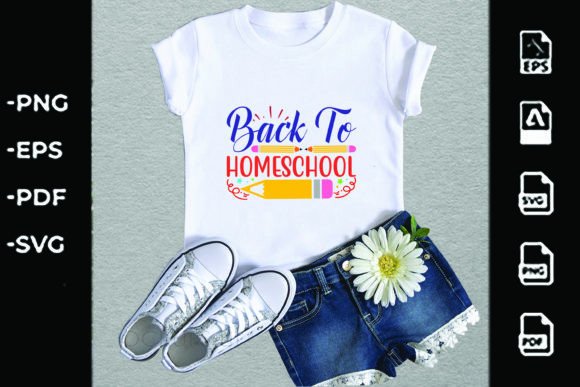
Unlike raster images (e.g., JPEGs or standard PNGs), SVG files retain crisp edges at any size—making them ideal for everything from tiny iron-on transfers on toddler t-shirts to large wall decals in a dedicated learning space. When paired with other formats like EPS, PDF, and transparent PNGs—as included in many premium back to homeschool design bundles—you gain flexibility across software platforms and production methods.
What’s Inside the ZIP File—and Why It Matters
A typical home school SVG design bundle includes four complementary file types:
- 1 EPS file: Encapsulated PostScript—compatible with professional design software like Adobe Illustrator and widely supported by commercial printers and engravers.
- 1 PNG with transparent background: Perfect for quick digital use—think printable worksheets, Google Slides backgrounds, or social media graphics—without white boxes or unwanted borders.
- 1 SVG file: The go-to format for Cricut, Silhouette, and other cutting machines. Easily resizable, layer-friendly, and editable for custom text or color changes.
- 1 PDF file: Print-ready and universally accessible. Great for teachers who want to print flashcards, classroom posters, or student certificates without installing design software.
This multi-format approach ensures your back to homeschool design works whether you’re crafting a vinyl welcome sign for your front door, printing a “Science Explorer” badge for your child’s lab coat, or creating an engraved wooden pencil holder for their study desk.
Real-World Uses: From Learning Spaces to Learning Tools
These digital assets go far beyond decoration—they actively support pedagogy, organization, motivation, and identity-building in homeschool environments. Here’s how:
Learning Environment Enhancement
Turn blank walls into inspiring learning zones. Use SVG-cut vinyl decals to label shelves (“Math Corner,” “Reading Nook”), create growth-mindset affirmations (“Mistakes Help My Brain Grow”), or build a colorful calendar system. Transparent PNGs can be layered over printable planners or digital dashboards—ideal for hybrid learners managing both online and offline tasks.
Personalized Learning Materials
Create custom flashcards, spelling lists, or multiplication charts using editable SVG layers. Change fonts, colors, or add names—no design experience needed. Many parents report increased engagement when children help choose colors or arrange elements before cutting—turning prep time into collaborative, tactile learning.
Clothing & Accessories That Celebrate Learning
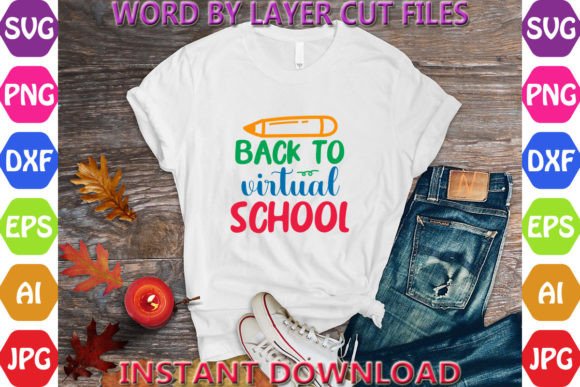
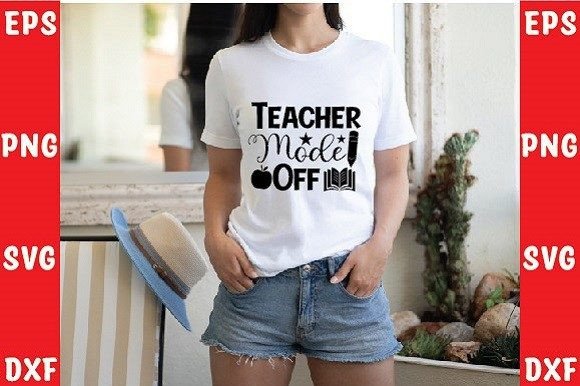
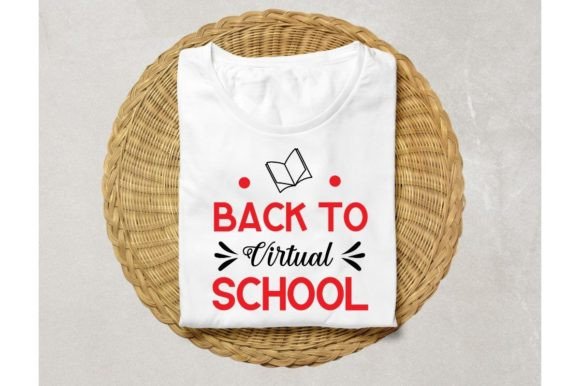
Iron-on transfers made from SVG designs let students wear their academic pride—whether it’s a “Future Engineer” shirt, a “Homeschool Hero” hoodie, or matching sibling T-shirts for co-op days. These aren’t just apparel; they foster belonging and confidence in non-traditional learning identities.
Community & Communication
Design invitations for park meetups, virtual science fairs, or end-of-semester showcases using the PDF and PNG files. Add a subtle “Back to Homeschool” motif to newsletters or email headers—reinforcing community values while maintaining professionalism.
Clarifying Common Misconceptions
There are several assumptions about home school SVG design worth addressing:
- “I need advanced design skills.” Not true. Most SVG files open directly in cutting machine software (Cricut Design Space, Silhouette Studio) with intuitive drag-and-drop functionality. Even beginners can resize, recolor, and cut within minutes.
- “These are only for crafters.” While popular among DIYers, educators also use them for low-cost classroom visuals, differentiated instruction materials, and sensory-friendly resources (e.g., textured SVG-printed flashcards).
- “One design fits all grades.” Actually, thoughtful back to homeschool collections include age-appropriate variations—playful fonts and cartoon icons for early learners, clean minimalist layouts for teens, and elegant typography for high school transcripts or portfolios.
How It Fits Into Modern Homeschooling Trends
Today’s homeschool movement emphasizes personalization, flexibility, and holistic development—not just academics. Home school SVG design aligns seamlessly with these values:
- Personalization at Scale: With editable vectors, one purchase supports dozens of uses—customize for each child’s interests, learning style, or current unit study (e.g., swap “Ocean Biome” for “Space Exploration” on a reusable banner).
- Digital + Physical Integration: As hybrid learning grows, families value assets that work across screens and surfaces—PNGs for Zoom backgrounds, SVGs for hands-on projects, PDFs for printable assessments.
- Entrepreneurial Opportunity: Many homeschool parents launch small businesses selling themed planners, lesson kits, or custom learning tools. Licensed SVG bundles often include commercial-use rights—letting you legally incorporate designs into physical or digital products you sell.
Getting Started: Tips for First-Time Users
- Check compatibility first. Confirm your cutting machine or design software supports SVG (most do—but older versions may require converting to DXF or PNG).
- Start simple. Try resizing and recoloring one element before layering multiple components. Many bundles include step-by-step video tutorials.
- Print a test sheet. Before cutting expensive vinyl or heat-transfer material, run a quick print on plain paper to verify sizing and alignment.
- Organize by theme. Keep folders labeled “Back to Homeschool,” “Science,” “Literacy,” etc., so you can quickly find assets during lesson planning.
- Respect licensing. Always review usage terms—some files allow personal use only, while others permit small-business applications (with credit or attribution requirements).
Why Quality Matters: Beyond Aesthetics
Not all home school SVG design files are created equal. Low-resolution PNGs pixelate when enlarged. Poorly constructed SVGs contain stray anchor points or ungrouped layers that cause cutting errors. Reputable creators prioritize clean paths, consistent stroke weights, and optimized node counts—ensuring smooth cuts and professional results every time.
Look for bundles that include detailed previews, clear licensing info, and responsive creator support. These signals reflect Experience, Expertise, Authoritativeness, and Trustworthiness—the core pillars of E-E-A-T that guide helpful, reliable content and products.
Final Thoughts: More Than Just Graphics
A back to homeschool SVG isn’t just a download—it’s an invitation to reimagine education as expressive, intentional, and deeply human. It empowers parents to build learning spaces that reflect their family’s values. It helps children see themselves as capable learners—not test-takers, but thinkers, makers, and explorers. And for educators and entrepreneurs, it’s a bridge between creativity and impact.
Whether you’re preparing for your first homeschool year or refining a decade-long practice, investing in well-crafted, versatile home school SVG design assets pays dividends in time saved, joy sparked, and meaning deepened. Start small. Experiment freely. And remember: every cut, print, or paste is part of a larger story—one where learning lives not just in textbooks, but in walls, wardrobes, and wonder.