1st Grade Rules: Simple, Clear, and Full of Heart
First grade is where big ideas begin with small steps. It’s the year children learn to tie shoes, write their names, read simple sentences, and raise their hands before speaking. But beyond the ABCs and 123s, 1st Grade Rules are about kindness, consistency, and community. They’re not rigid laws — they’re gentle guideposts that help young learners feel safe, seen, and ready to grow. And today, those same values — clarity, warmth, structure, and joy — live on in creative tools like the Back To School Sublimation Design PNG collection.
What Makes This Design Collection Rooted in Real First-Grade Values?
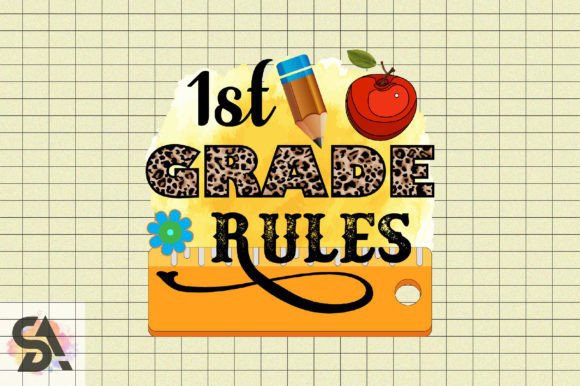
This isn’t just another clipart pack. Every element in the Back To School Sublimation Design PNG set was drawn by hand first — with pencil, paper, and care — then carefully digitized. That human touch matters. Just like a teacher writing “Welcome Back!” on a chalkboard or drawing stars beside a student’s spelling test, these designs carry intention. They reflect the spirit of 1st Grade Rules: friendly faces, bold outlines, cheerful colors, and space for learning — not clutter.
The collection includes one high-resolution PNG file at 300 DPI — sharp enough for crisp t-shirt prints, mugs, tote bags, or classroom posters. Plus, you get a ZIP file with separate PNG files, each with a transparent background. That means no white boxes, no awkward edges — just clean, ready-to-use art that drops perfectly onto any color or surface.
Who Uses These Designs — and Why?
These aren’t only for crafters or small-batch sellers. People across many roles reach for this kind of design because it supports real work — teaching, celebrating, organizing, and connecting.
- Educators use the designs to make welcome banners, behavior charts, name tags, and reading corner signs — all aligned with 1st Grade Rules like “We Listen,” “We Share Materials,” or “We Try Our Best.” Visual cues help young learners remember expectations without needing long explanations.
- Parents and caregivers print them for back-to-school countdown calendars, lunchbox notes, or “First Day of First Grade” photo props. A hand-drawn apple or smiling backpack makes a moment feel special — and meaningful.
- Small business owners (like local print shops or school supply boutiques) apply them to custom notebooks, pencils, or reusable water bottles. Because the files are print-ready and sublimation-friendly, there’s no extra editing needed — just upload, press, and deliver.
- Hobbyists and digital scrapbookers layer the elements into memory books, greeting cards, or birthday invitations. The transparency lets them blend smoothly with photos or textured backgrounds — no jarring edges, no guessing where to crop.
- Designers and content creators use them as base assets when building blog headers, social media graphics, or printable classroom resources. Since each item is its own PNG, swapping out icons or repositioning text is fast and intuitive — like arranging blocks on a rug during circle time.
How Sublimation Works — and Why Transparency Matters
Sublimation is a printing method where ink turns from solid to gas under heat and pressure, bonding directly with polyester-coated materials — like tumblers, shirts, or coasters. Unlike screen printing or vinyl, it doesn’t sit *on top* of the surface. It becomes part of it. That’s why resolution and clarity matter so much.
A 300 DPI file ensures every curve in a smiling sun or every line in a lined-paper border stays smooth and readable — even on a 12x16 inch poster. And the transparent background? It’s not just convenient — it’s essential. Imagine printing a “Good Job!” badge onto a navy-blue shirt. With transparency, only the words and star appear. Without it, you’d get a white rectangle around the design — which would look stiff, outdated, and out of step with modern, clean design trends.
This attention to technical detail mirrors how good 1st Grade Rules are taught: thoughtfully prepared, easy to follow, and built to last.
Real Projects, Real Impact
Here’s what people actually do with these files — no guesswork, no fluff:
- A Montessori teacher printed the “I Can Read!” design onto cotton-polyester blend aprons for her reading nook. Students wear them proudly during independent reading time — reinforcing confidence and routine.
- A homeschool parent used the “My First Grade Journal” cover design to create a printable PDF journal. She added weekly reflection prompts (“What made me smile today?”) and printed copies for her two children — one entering first grade, one finishing kindergarten.
- A boutique gift shop owner applied the “Backpack & Books” icon to ceramic mugs sold at a local PTA fair. Each mug came with a handwritten note: “For the grown-ups who help first graders grow.” Sales doubled compared to last year’s plain mugs.
- A graphic designer building a website for a new after-school literacy program used the “Reading Rocket” illustration as a section divider. It added playfulness without sacrificing professionalism — exactly what educators told her they wanted.
Why Hand-Drawn Origins Matter More Than You Think
In a world full of AI-generated art and endless stock libraries, choosing a hand-drawn design sends a quiet but powerful message: This was made with care, for people, not algorithms.
Think of how a child draws a family portrait — lopsided smiles, oversized hands, bright yellow suns. There’s honesty in that. The same warmth lives in these sublimation files. The lines have slight variation. The shapes breathe. They don’t scream “perfect” — they whisper “friendly.” That makes them more relatable in educational and emotional contexts.
Compare that to generic clipart: stiff poses, flat colors, and zero personality. Those might fill space — but they don’t build connection. And connection is at the heart of every strong 1st Grade Rules classroom.
Using These Files Across Different Tools and Workflows
You don’t need fancy software to get great results. Here’s how different users bring these designs to life — simply and effectively:
- Beginner crafters open the PNG in Cricut Design Space or Silhouette Studio, resize as needed, and send to their heat press or sublimation printer. No layers to ungroup, no backgrounds to delete — just click and go.
- Teachers using Google Slides insert the PNG as an image, add a text box over it (“Our Class Promise”), and project it during morning meeting. The transparency keeps slides clean and focused.
- Print-on-demand sellers upload the 300 DPI file directly to platforms like Printful or Gelato. The system reads the transparency automatically — no extra masking or clipping paths required.
- Bloggers and newsletter writers drop the “Pencil & Apple” icon into Mailchimp or Substack as a bullet point or section break — adding visual rhythm without slowing load times (thanks to optimized PNG compression).
What to Keep in Mind When Using These Designs
Even the best tools work best with thoughtful use. Here are practical, experience-based tips:
- Always check your printer’s color profile. Sublimation inks behave differently than standard CMYK. Do a small test print first — especially if using light-colored mugs or dark shirts.
- Respect copyright — but also know your rights. This collection is licensed for both personal and commercial use. That means you can sell items you make with it — but you cannot resell the PNG files themselves or claim them as your original artwork.
- Pair with real-life routines. A “Raise Your Hand” icon on a poster works best when paired with practice, praise, and patience — just like 1st Grade Rules do in the classroom.
- Update seasonally — not yearly. One teacher rotates three versions of the “Classroom Jobs” chart — one with apples (fall), one with snowflakes (winter), one with flowers (spring). Same rules. Fresh visuals.
More Than Decoration — A Way to Honor Growth
At its core, this Back To School Sublimation Design PNG collection is about honoring transitions — the move from kindergarten to first grade, from home to classroom, from “I’m not sure yet” to “I did it!”
That’s why the designs avoid babyish themes or overly complex details. They’re balanced: playful but purposeful, simple but not shallow, warm but not cutesy. They support growth instead of overshadowing it.
Whether you’re pressing a “First Grade Superhero” shirt for your child, designing welcome cards for a new school year, or creating a resource for a teacher training workshop — you’re not just using a graphic. You’re reinforcing values: respect, readiness, belonging, and joy in learning.
And that’s something no algorithm can replicate — but a hand-drawn, thoughtfully made, classroom-tested design absolutely can.